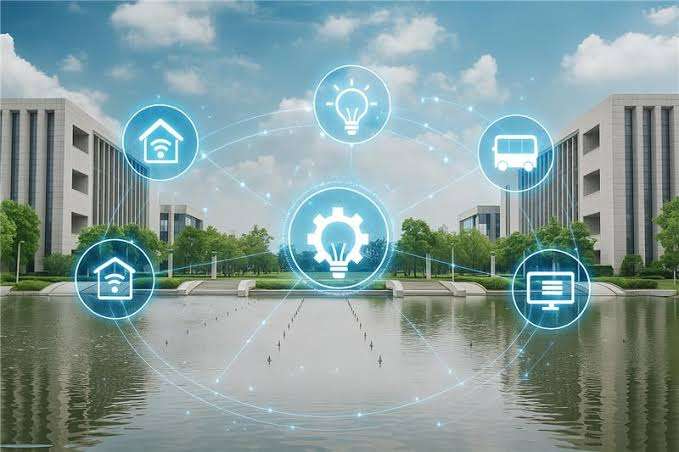
Campus networks have always been an essential part of the student experience. Beyond classrooms and academic programs, they provide opportunities for students to build friendships, develop leadership skills, participate in activities, and prepare for future careers. Strong campus networks foster collaboration, encourage innovation, and create environments where students can learn from one another.
However, the modern educational landscape is changing rapidly. Students today expect more personalized experiences, better access to opportunities, stronger industry connections, and greater support for career development. At the same time, universities and educational institutions are managing larger student populations, diverse learning environments, and increasing expectations around employability and student success.
Artificial Intelligence (AI) is emerging as a powerful tool to address these challenges. By combining data-driven insights, intelligent recommendations, automation, and personalized engagement, AI is helping institutions build the next generation of campus networks—networks that are smarter, more connected, and more effective at supporting student growth.
These AI-powered campus ecosystems are transforming how students connect, collaborate, learn, and prepare for the future.
Why Campus Networks Matter
A student's growth is influenced by much more than academics.
Campus networks provide opportunities for:
- Peer learning
- Leadership development
- Mentorship
- Collaboration
- Career exploration
- Professional networking
- Personal growth
Research consistently shows that students who actively engage in campus communities often experience stronger academic performance, higher confidence levels, and better career outcomes.
The Evolution of Campus Networks
Campus networking has evolved significantly over time.
Traditional Campus Communities
Focused primarily on in-person interactions through clubs, societies, and student organizations.
Digital Campus Networks
Introduced online platforms, discussion forums, and virtual engagement opportunities.
AI-Powered Campus Networks
Use artificial intelligence to personalize experiences, connect students with opportunities, and facilitate meaningful interactions.
This evolution is redefining how institutions support student success.
The Challenges Facing Modern Campus Communities
As educational institutions grow, students often encounter several challenges.
Information Overload
Important opportunities can become difficult to find.
Limited Visibility
Students may not know which programs, events, or resources are available.
Networking Difficulties
Finding mentors, peers, and industry professionals can be challenging.
Unequal Access
Not all students receive the same exposure to opportunities.
AI can help solve many of these challenges by making campus experiences more personalized and accessible.
How AI Is Transforming Campus Networks
Artificial Intelligence enables educational institutions to move from generic engagement models to personalized student experiences.
AI can:
- Analyze student interests
- Recommend opportunities
- Facilitate networking
- Match mentors and mentees
- Identify skill gaps
- Support career development
These capabilities create more effective pathways for growth and engagement.
Personalized Student Experiences
Every student has unique goals, interests, and aspirations.
AI-powered campus networks can recommend:
- Student organizations
- Leadership programs
- Learning resources
- Workshops
- Events
- Volunteer opportunities
This helps students engage with activities that align with their personal and professional objectives.
Building Stronger Peer Networks
Peer relationships are among the most valuable aspects of campus life.
AI can strengthen these networks by:
Connecting Students with Similar Interests
Facilitating friendships and collaborative learning.
Encouraging Cross-Disciplinary Collaboration
Bringing together students from different academic backgrounds.
Supporting Group Formation
Helping students find study groups, project teams, and communities.
Improving Student Engagement
Making participation easier and more meaningful.
These connections often continue long after graduation.
AI-Powered Mentorship Programs
Mentorship plays a critical role in student success.
AI can improve mentorship programs by:
- Matching students with suitable mentors
- Connecting alumni with current students
- Recommending career-focused relationships
- Tracking mentorship engagement
This creates more scalable and impactful mentorship opportunities.
Enhancing Leadership Development
Leadership opportunities are often scattered across campus.
AI-powered networks can help students discover:
- Student council positions
- Ambassador programs
- Event management opportunities
- Community leadership roles
- Volunteer initiatives
This encourages broader participation and leadership development.
Supporting Career Readiness
One of the primary goals of higher education is preparing students for successful careers.
AI can accelerate career readiness by helping students:
Identify Career Interests
Exploring industries and professional pathways.
Discover Internships
Receiving recommendations based on skills and goals.
Connect with Employers
Building relationships with industry professionals.
Develop Relevant Skills
Accessing personalized learning and development opportunities.
These experiences improve employability and career outcomes.
Intelligent Opportunity Matching
Many students miss valuable opportunities because they are unaware they exist.
AI-powered campus networks can recommend:
- Scholarships
- Competitions
- Research projects
- Internships
- Leadership programs
- Networking events
By matching opportunities with student profiles, institutions can increase participation and engagement.
Improving Knowledge Sharing
Campuses generate enormous amounts of valuable information.
AI helps students access this knowledge through:
- Intelligent search
- Personalized recommendations
- Content organization
- Discussion summaries
This makes information easier to discover and use.
Supporting Student Retention and Engagement
Student retention is a major priority for educational institutions.
AI can identify:
- Disengaged students
- Participation trends
- Community health indicators
- Opportunities for intervention
These insights help institutions provide targeted support before students become disconnected.
Creating More Inclusive Campus Communities
Inclusivity is essential for student success.
AI-powered networks can support inclusion by:
- Identifying underserved students
- Recommending relevant resources
- Expanding access to opportunities
- Encouraging participation from diverse groups
When implemented responsibly, AI can help create more equitable campus experiences.
The Role of Data in Student Success
AI-powered campus networks generate valuable insights about student engagement.
Institutions can better understand:
- Participation patterns
- Student interests
- Leadership involvement
- Career readiness indicators
- Community engagement levels
These insights support more informed decision-making and improved student outcomes.
Human Connection Remains Central
While AI provides intelligence and automation, campus communities remain fundamentally human.
Students continue to benefit from:
- Friendships
- Mentorship
- Collaboration
- Shared experiences
- Emotional support
AI should enhance these interactions rather than replace them.
The strongest campus networks combine technology with authentic human relationships.
Challenges and Considerations
As institutions adopt AI-powered campus networks, they must address several important issues.
Privacy and Data Security
Student information must be handled responsibly.
Transparency
Students should understand how AI-generated recommendations work.
Fairness and Inclusivity
Algorithms should support equal access to opportunities.
Ethical Implementation
AI should be used to empower students rather than limit choices.
Careful planning is essential for success.
The Future of Campus Networks
Several emerging trends are shaping the future of student engagement.
AI Campus Assistants
Providing personalized guidance and support.
Hyper-Personalized Experiences
Tailored recommendations based on individual goals.
Skills-Based Student Ecosystems
Communities focused on employability and practical growth.
Global Student Networks
Connecting learners across institutions and countries.
Lifelong Learning Communities
Supporting graduates throughout their careers.
These developments will continue to expand the value of campus communities.
Why Educational Institutions Should Embrace AI
Educational institutions face increasing pressure to improve student outcomes, engagement, retention, and employability.
AI-powered campus networks help institutions:
- Improve student experiences
- Increase participation
- Expand mentorship programs
- Strengthen alumni engagement
- Support career development
- Enhance student success initiatives
These benefits create long-term value for both students and institutions.
Conclusion
The future of campus networking is being shaped by the powerful combination of artificial intelligence and human connection. Traditional campus communities will always play an important role in student development, but AI enables institutions to make those communities more personalized, accessible, and impactful.
By helping students discover opportunities, build meaningful relationships, access mentorship, develop leadership skills, and prepare for future careers, AI-powered campus networks are creating smarter educational ecosystems that support holistic student growth.
As educational institutions continue to evolve, the next generation of campus networks will become more intelligent, more connected, and more focused on helping every student reach their full potential. Organizations that embrace this transformation today will be better positioned to support student success in an increasingly dynamic and competitive world.