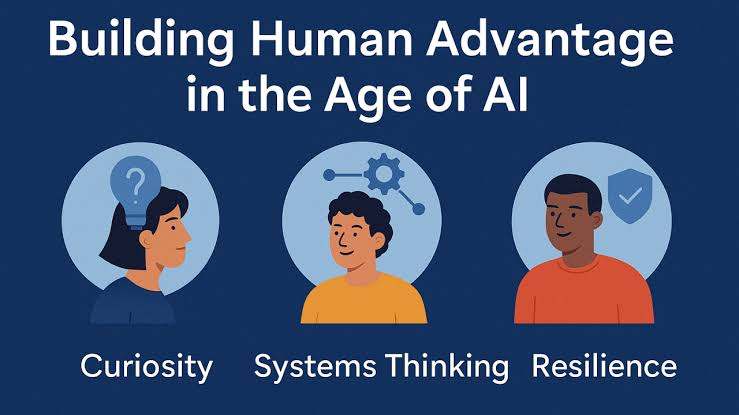
Every successful community depends on its leaders. They are the individuals who inspire participation, encourage collaboration, organize initiatives, support members, and help shape the community’s future. Yet most community leaders do not begin their journey with formal authority or extensive experience. They often start as active members who consistently contribute, learn, connect with others, and gradually take on greater responsibilities.
Traditionally, identifying and developing future leaders within a community has been a manual process. Community managers relied on observation, recommendations, and participation records to recognize potential leaders. While effective in smaller groups, this approach becomes increasingly difficult as communities grow larger and more complex.
Today, Artificial Intelligence (AI) is transforming leadership development within communities. AI-powered platforms can identify emerging contributors, recommend leadership opportunities, facilitate mentorship, track engagement patterns, and help members develop the skills needed to lead effectively.
Rather than replacing human judgment, AI enhances leadership development by ensuring that opportunities are more accessible, personalized, and scalable. As a result, communities can cultivate stronger leadership pipelines and empower more members to make meaningful contributions.
The future of community leadership is not simply about finding leaders—it is about creating environments where leadership potential can be discovered and nurtured continuously.
Why Community Leadership Matters
Communities thrive when members actively contribute and take ownership of shared goals.
Strong leaders help communities by:
- Encouraging participation
- Supporting new members
- Organizing initiatives
- Facilitating collaboration
- Driving innovation
- Building positive culture
Without leadership, communities often struggle to maintain engagement and momentum.
The Traditional Path to Leadership
Historically, leadership development within communities followed a relatively informal process.
Members became leaders by:
- Participating consistently
- Volunteering for responsibilities
- Demonstrating expertise
- Building relationships
- Earning trust
While these pathways remain important, they often rely heavily on visibility and manual recognition.
As communities scale, identifying leadership potential becomes more challenging.
The Leadership Development Challenge
Many communities face common obstacles when developing future leaders.
Hidden Talent
Potential leaders may go unnoticed.
Limited Opportunities
Members may not know how to become more involved.
Lack of Mentorship
Guidance is not always available.
Uneven Participation
Opportunities may be concentrated among a small group of members.
These challenges can slow leadership development and limit community growth.
How AI Is Transforming Leadership Development
AI helps communities move from reactive leadership development to proactive talent cultivation.
AI can:
- Analyze participation patterns
- Identify emerging contributors
- Recommend growth opportunities
- Facilitate mentorship
- Track leadership development
This creates a more structured and inclusive approach to leadership growth.
Identifying Future Leaders Early
One of AI's most valuable capabilities is recognizing leadership potential before it becomes obvious.
AI can analyze:
- Community participation
- Collaboration behavior
- Knowledge sharing
- Event involvement
- Peer engagement
Members who consistently contribute positively can be identified as future leadership candidates.
This allows communities to nurture talent earlier.
Personalized Leadership Pathways
Every aspiring leader has different strengths and goals.
AI-powered communities can recommend:
- Leadership programs
- Volunteer opportunities
- Community initiatives
- Skill development resources
- Networking opportunities
These personalized pathways help members grow at their own pace.
Expanding Access to Leadership Opportunities
In many communities, leadership opportunities are not always visible to everyone.
AI can improve accessibility by recommending:
Committee Roles
Introducing members to governance opportunities.
Project Leadership
Connecting individuals with initiatives that need support.
Event Management
Highlighting opportunities to organize activities.
Community Ambassador Programs
Encouraging broader participation in leadership.
This helps create a more inclusive leadership ecosystem.
AI-Powered Mentorship for Future Leaders
Mentorship plays a crucial role in leadership development.
AI can strengthen mentorship programs by:
- Matching mentors and mentees
- Identifying shared goals
- Tracking progress
- Suggesting development opportunities
This ensures that future leaders receive the support they need.
Building Leadership Skills Through Community Engagement
Leadership is developed through experience.
AI-powered communities can help members strengthen:
Communication Skills
Through discussions, presentations, and collaboration.
Teamwork Abilities
By facilitating participation in group initiatives.
Problem-Solving Skills
By connecting members with challenges and projects.
Decision-Making Capabilities
Through increasing levels of responsibility.
These experiences prepare members for larger leadership roles.
Encouraging Continuous Contribution
Future leaders often emerge from highly engaged members.
AI can encourage continued participation by:
- Recognizing contributions
- Highlighting achievements
- Recommending opportunities
- Encouraging collaboration
Recognition helps motivate members to remain active and involved.
Data-Driven Leadership Development
Traditional leadership development often relies on subjective observations.
AI introduces a more data-driven approach.
Communities can track:
- Participation levels
- Leadership activities
- Collaboration patterns
- Skill development
- Member impact
These insights help organizations make informed decisions about leadership programs.
Creating More Inclusive Leadership Pipelines
One of the advantages of AI is its ability to identify talent beyond traditional visibility factors.
AI can help communities:
- Discover overlooked contributors
- Promote diverse participation
- Expand leadership access
- Reduce barriers to involvement
This supports more inclusive and representative leadership structures.
Supporting Student and Campus Leadership
Educational institutions increasingly use community-based leadership programs to develop future professionals.
AI can help students:
- Discover leadership opportunities
- Connect with mentors
- Build professional networks
- Participate in projects
- Develop career-ready skills
These experiences prepare students for leadership beyond campus environments.
Leadership Development in Professional Communities
Professional communities also benefit from AI-powered leadership pathways.
Organizations can:
- Identify high-potential contributors
- Support succession planning
- Encourage knowledge sharing
- Strengthen member engagement
Leadership development becomes a continuous process rather than an occasional initiative.
The Human Side of Leadership
While AI provides valuable insights and recommendations, leadership remains fundamentally human.
Great leaders demonstrate:
- Empathy
- Integrity
- Communication
- Collaboration
- Vision
AI can help identify and support future leaders, but genuine leadership skills are developed through relationships and experiences.
Technology should enhance leadership development—not define it.
Challenges and Considerations
Organizations implementing AI-driven leadership initiatives should consider several factors.
Fairness and Transparency
Leadership recommendations should be objective and understandable.
Privacy
Member data must be handled responsibly.
Avoiding Over-Reliance on Metrics
Leadership potential involves qualities that may not always be measurable.
Maintaining Human Judgment
Final leadership decisions should continue to involve people.
Balancing technology and human insight is essential.
The Future of Leadership Development
Several emerging trends are shaping the future of community leadership.
Intelligent Leadership Pathways
Personalized growth journeys for aspiring leaders.
Predictive Leadership Analytics
Identifying leadership potential earlier.
Continuous Mentorship Ecosystems
AI-supported mentor networks.
Skills-Based Leadership Development
Focusing on capabilities rather than titles.
Community-Driven Leadership Models
Encouraging broader participation and contribution.
These trends will create more dynamic leadership ecosystems.
Why Communities Need Leadership Pipelines
Communities that invest in leadership development gain several advantages.
They can:
- Improve engagement
- Increase retention
- Foster innovation
- Strengthen culture
- Ensure continuity
- Expand impact
Developing leaders from within creates stronger and more sustainable communities.
Conclusion
The journey from community member to community leader has always been driven by participation, contribution, and personal growth. However, as communities become larger and more complex, identifying and nurturing future leaders requires new approaches.
AI-powered communities provide a significant advantage by helping organizations recognize leadership potential, personalize development opportunities, facilitate mentorship, and create more inclusive leadership pathways. These capabilities allow communities to cultivate stronger leadership pipelines while ensuring that opportunities are accessible to a broader range of members.
Despite these technological advancements, leadership remains a deeply human endeavor. Trust, empathy, communication, and collaboration will always be at the heart of effective leadership. AI simply provides the tools to help more individuals discover and develop these qualities.
As communities continue to evolve, those that successfully combine human-centered leadership with AI-powered intelligence will be best positioned to develop the next generation of impactful leaders.