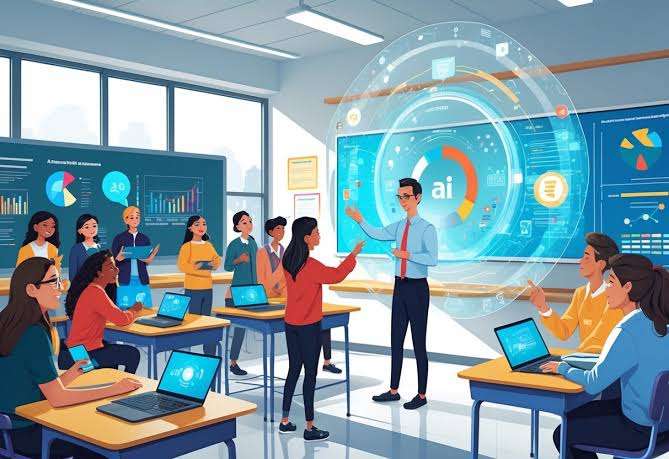
Student engagement has long been a critical indicator of educational success. Students who actively participate in campus activities, learning opportunities, leadership programs, and peer networks are often more successful academically, professionally, and personally. However, creating meaningful engagement at scale has become increasingly challenging as educational institutions grow and student expectations evolve.
Today's students are navigating an environment filled with information, opportunities, digital platforms, and competing priorities. While universities, colleges, and educational organizations provide countless resources, many students struggle to discover relevant opportunities, connect with the right people, and engage consistently throughout their educational journey.
Artificial Intelligence (AI) is emerging as a powerful solution to these challenges. Rather than simply automating administrative tasks, AI has the potential to transform how student ecosystems operate by creating more personalized, connected, and responsive experiences.
By helping students discover opportunities, build relationships, access mentorship, and engage with communities that align with their goals, AI can unlock a new level of meaningful participation. Instead of measuring success through attendance or activity counts alone, institutions can foster deeper engagement that supports learning, leadership development, employability, and long-term growth.
Understanding Student Ecosystems
A student ecosystem consists of all the environments, relationships, resources, and opportunities that contribute to student development.
This ecosystem typically includes:
- Academic programs
- Student organizations
- Campus communities
- Leadership initiatives
- Mentorship networks
- Career development programs
- Alumni connections
- Industry partnerships
When these elements work together effectively, students gain access to richer experiences and stronger support systems.
The Challenge of Student Engagement Today
Despite having access to more opportunities than ever before, many students experience disengagement.
Common challenges include:
Information Overload
Students are often overwhelmed by the number of available programs and resources.
Generic Experiences
Many institutions deliver the same information to all students regardless of individual interests.
Limited Visibility
Students may not be aware of opportunities that match their goals.
Fragmented Platforms
Resources are often spread across multiple systems and channels.
These challenges can lead to lower participation and missed opportunities.
Why Meaningful Engagement Matters
Engagement is more than simply attending events or joining organizations.
Meaningful engagement helps students:
- Develop leadership skills
- Build professional networks
- Gain practical experience
- Improve academic outcomes
- Strengthen confidence
- Increase career readiness
The quality of engagement often matters more than the quantity.
How AI Changes the Engagement Model
Traditional engagement strategies often rely on broad communication and manual outreach.
AI enables a more personalized approach by helping institutions understand:
- Student interests
- Participation patterns
- Learning preferences
- Career aspirations
- Community involvement
This allows institutions to deliver experiences that are more relevant and impactful.
Personalized Opportunity Discovery
One of the most valuable applications of AI is helping students discover opportunities that align with their goals.
AI can recommend:
- Student organizations
- Leadership programs
- Workshops
- Internships
- Competitions
- Scholarships
- Community initiatives
Students receive opportunities tailored to their interests rather than generic announcements.
Creating Stronger Student Communities
Communities play a major role in student success.
AI helps strengthen communities by:
Connecting Students with Similar Interests
Facilitating meaningful peer relationships.
Supporting Collaborative Learning
Helping students find study groups and project teams.
Encouraging Participation
Recommending relevant activities and discussions.
Building Long-Term Connections
Creating relationships that extend beyond graduation.
These interactions foster stronger engagement and belonging.
AI-Powered Mentorship
Mentorship is one of the most effective drivers of student growth.
AI can improve mentorship programs by:
- Matching mentors and mentees
- Identifying shared interests
- Recommending conversation topics
- Tracking engagement
This makes mentorship more accessible and scalable across large student populations.
Enhancing Leadership Development
Leadership opportunities are often hidden within large institutions.
AI can help students discover:
- Ambassador programs
- Student government roles
- Volunteer initiatives
- Event management opportunities
- Community leadership positions
This encourages broader participation in leadership development activities.
Supporting Career Readiness
Students increasingly view educational experiences through the lens of career outcomes.
AI can help students prepare for future careers by:
Recommending Internships
Matching opportunities to interests and skills.
Identifying Skill Gaps
Highlighting areas for development.
Facilitating Industry Connections
Introducing students to professionals and employers.
Suggesting Learning Resources
Supporting continuous skill development.
These capabilities improve employability and professional preparedness.
Improving Knowledge Sharing
Student ecosystems generate large amounts of valuable knowledge.
AI can organize and surface this information through:
- Intelligent search
- Personalized recommendations
- Discussion summaries
- Resource categorization
Students can find relevant information more efficiently and learn from others' experiences.
Encouraging Peer-to-Peer Learning
Many students learn effectively through collaboration and shared experiences.
AI can facilitate peer learning by:
- Connecting students with complementary skills
- Recommending study partners
- Creating learning groups
- Supporting collaborative projects
This enhances both learning and community engagement.
Creating Inclusive Student Experiences
Meaningful engagement should be accessible to all students.
AI can support inclusivity by:
- Identifying underserved students
- Recommending relevant programs
- Expanding access to mentorship
- Encouraging participation across diverse groups
When implemented responsibly, AI can help create more equitable educational experiences.
Data-Driven Student Success Strategies
AI provides institutions with valuable insights into engagement patterns.
Educational leaders can better understand:
- Participation trends
- Student interests
- Retention risks
- Community health
- Leadership involvement
These insights support more effective student success initiatives.
Balancing Technology and Human Connection
While AI provides intelligence and personalization, meaningful engagement remains fundamentally human.
Students continue to benefit from:
- Mentorship
- Friendship
- Collaboration
- Shared experiences
- Emotional support
AI should strengthen these relationships rather than replace them.
The most effective student ecosystems combine intelligent technology with authentic human interaction.
Challenges and Considerations
Institutions implementing AI-driven engagement strategies should address several important considerations.
Privacy and Security
Student data must be protected responsibly.
Transparency
Students should understand how recommendations are generated.
Fairness
AI systems should support equal access to opportunities.
Ethical Use of Data
Technology should be used to empower students, not manipulate behavior.
Responsible implementation is critical for long-term success.
The Future of Student Engagement
Several emerging trends are shaping the future of student ecosystems.
Hyper-Personalized Experiences
Customized opportunities and recommendations for every student.
AI Community Assistants
Intelligent guides helping students navigate resources and opportunities.
Predictive Engagement Models
Identifying disengagement risks before they become significant problems.
Intelligent Opportunity Networks
Connecting students with internships, mentors, events, and projects in real time.
Lifelong Learning Ecosystems
Supporting students throughout their educational and professional journeys.
These innovations will continue to redefine student engagement.
Why Educational Institutions Should Embrace AI
Educational institutions face increasing pressure to improve engagement, retention, employability, and student satisfaction.
AI-powered student ecosystems can help institutions:
- Improve participation
- Strengthen mentorship programs
- Increase retention
- Enhance leadership development
- Support career readiness
- Deliver more personalized experiences
These outcomes benefit both students and institutions.
Conclusion
Meaningful engagement is one of the most important drivers of student success, yet achieving it at scale remains a challenge for many educational institutions. As student expectations continue to evolve, traditional engagement strategies are no longer sufficient.
AI offers a powerful way forward. By personalizing experiences, facilitating connections, recommending opportunities, and supporting mentorship and career development, AI helps create student ecosystems that are more responsive, inclusive, and impactful.
However, the true value of engagement will always come from human relationships. AI serves as an enabler, helping students find the people, opportunities, and experiences that support their growth. When combined with strong communities and supportive environments, AI can unlock meaningful engagement that drives learning, leadership, and long-term success.
The future of student ecosystems is not simply digital—it is intelligent, connected, and deeply focused on helping every student reach their full potential.