Introduction
For generations, student communities have played a vital role in shaping personal growth, leadership development, and lifelong relationships. From campus clubs and student organizations to academic groups and peer networks, communities have helped students learn beyond textbooks and classrooms.
However, the expectations of today's students are changing rapidly. Modern learners are looking for more than academic excellence. They want career opportunities, mentorship, networking, leadership experiences, skill development, and meaningful connections that prepare them for an increasingly competitive world.
At the same time, Artificial Intelligence (AI) is transforming how people learn, communicate, and collaborate. Educational institutions, student organizations, and community platforms are beginning to leverage AI to create more personalized, engaging, and impactful student experiences.
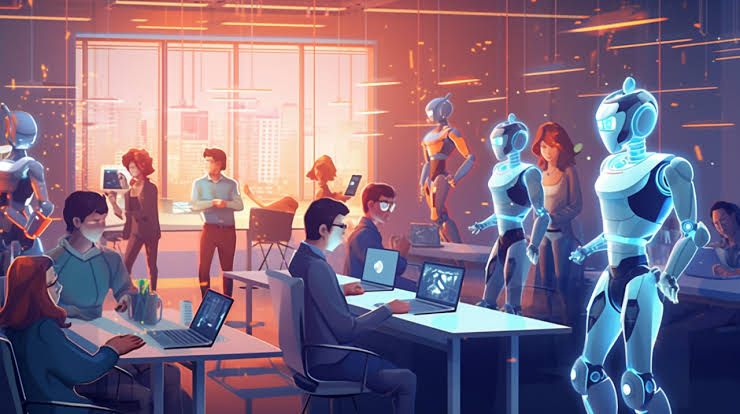
The future of student communities lies at the intersection of human connection and intelligent technology. AI can help students discover opportunities, build relationships, access resources, and develop skills more effectively, while communities continue to provide the human support, collaboration, and inspiration that technology alone cannot replace.
As this transformation unfolds, student communities are evolving from social networks into growth ecosystems that help students unlock their full potential.
Why Student Communities Matter More Than Ever
Education is no longer limited to classroom learning.
Today's employers increasingly value:
- Leadership skills
- Communication abilities
- Collaboration experience
- Problem-solving capabilities
- Professional networks
- Practical experience
Many of these skills are developed through community participation rather than formal coursework.
Student communities create environments where individuals can learn, contribute, and grow together.
The Evolution of Student Communities
Student communities have undergone significant changes over time.
Traditional Communities
Focused primarily on campus activities, social engagement, and extracurricular involvement.
Digital Communities
Expanded participation through online groups, forums, and virtual collaboration.
Intelligent Communities
Now emerging as AI-powered ecosystems that personalize opportunities and support student development.
This evolution is reshaping how students engage with peers, mentors, institutions, and employers.
How AI Is Transforming Student Engagement
Artificial Intelligence enables communities to provide more personalized experiences at scale.
AI can help students:
- Discover opportunities
- Access relevant resources
- Build professional networks
- Identify skill gaps
- Connect with mentors
This creates more meaningful engagement and better outcomes.
Personalized Learning Beyond the Classroom
Every student has unique interests, strengths, and career aspirations.
AI-powered communities can recommend:
- Learning resources
- Workshops
- Leadership programs
- Skill-building opportunities
- Industry events
This helps students focus on experiences that align with their goals.
Building Stronger Student Networks
Networking has become increasingly important for career success.
However, many students struggle to connect with the right people.
AI can improve networking by:
Connecting Students with Shared Interests
Facilitating peer relationships and collaborative learning.
Recommending Mentors
Matching students with experienced professionals or alumni.
Introducing Career Opportunities
Helping students discover relevant internships and projects.
Encouraging Cross-Disciplinary Collaboration
Connecting students from different backgrounds and fields of study.
These interactions create valuable long-term relationships.
AI-Powered Mentorship
Mentorship is one of the most effective ways to accelerate student development.
AI can enhance mentorship programs by:
- Matching mentors and mentees
- Identifying shared interests
- Tracking engagement
- Recommending development opportunities
This makes mentorship more accessible and scalable.
Developing Leadership Skills Through Communities
Leadership development often happens outside traditional academic settings.
Student communities provide opportunities to:
- Organize events
- Manage teams
- Solve problems
- Communicate effectively
- Lead initiatives
AI can help identify leadership opportunities that align with individual strengths and interests.
Enhancing Career Readiness
Employers increasingly seek candidates with practical skills and demonstrated initiative.
AI-powered communities can support career development by:
Recommending Internships
Matching students with relevant opportunities.
Identifying Skill Gaps
Helping students prepare for future careers.
Facilitating Employer Connections
Introducing students to industry professionals.
Supporting Personal Branding
Highlighting achievements, projects, and contributions.
These capabilities improve employability and career outcomes.
Knowledge Sharing and Collaborative Learning
Communities are powerful learning environments because they enable peer-to-peer knowledge sharing.
AI helps enhance this process by:
- Organizing information
- Recommending relevant discussions
- Summarizing content
- Connecting students with experts
This makes learning more accessible and engaging.
Creating Inclusive Student Experiences
Not all students have equal access to opportunities.
AI can help create more inclusive communities by:
- Identifying underserved members
- Recommending relevant programs
- Encouraging participation
- Expanding access to mentorship and resources
When implemented responsibly, AI can support greater equity in student development.
Supporting Mental Well-Being Through Community
Student success depends on more than academic achievement.
Strong communities provide:
- Social support
- Peer connections
- Shared experiences
- Encouragement
- A sense of belonging
AI can help identify disengagement and encourage participation, while human relationships remain central to emotional well-being.
The Rise of Career-Focused Student Communities
Increasingly, student communities are evolving into career ecosystems.
These communities provide:
- Networking opportunities
- Industry insights
- Professional mentorship
- Leadership development
- Employability support
Students gain access to experiences that complement formal education.
The Role of AI in Opportunity Discovery
One of the biggest challenges students face is simply knowing which opportunities exist.
AI can help students discover:
- Scholarships
- Internships
- Competitions
- Leadership programs
- Learning resources
- Networking events
This ensures that valuable opportunities do not go unnoticed.
Human Potential Remains the Core
While AI can significantly enhance student experiences, technology is only part of the equation.
The true value of student communities comes from:
- Relationships
- Collaboration
- Empathy
- Shared experiences
- Collective growth
AI can facilitate these interactions, but it cannot replace them.
The most successful student communities will combine intelligent technology with authentic human connection.
Challenges and Considerations
As AI becomes more integrated into student communities, institutions should address several key issues.
Privacy and Data Security
Student information must be handled responsibly.
Algorithmic Fairness
Recommendations should promote equal opportunities.
Transparency
Students should understand how AI-driven recommendations are generated.
Maintaining Human Interaction
Automation should support—not replace—meaningful relationships.
Responsible implementation is essential.
The Future of Student Communities
Several trends are shaping the next generation of student engagement.
Hyper-Personalized Learning Experiences
AI will recommend opportunities tailored to individual goals.
Intelligent Community Assistants
Virtual assistants will help students navigate resources and opportunities.
Skills-Based Growth Networks
Communities will focus increasingly on employability and practical skill development.
Global Student Ecosystems
Students will collaborate across institutions, regions, and countries.
Lifelong Learning Communities
Community participation will extend beyond graduation into professional careers.
Why This Matters for Educational Institutions
Educational institutions are no longer evaluated solely on academic outcomes.
Students increasingly expect:
- Career support
- Networking opportunities
- Leadership development
- Practical experiences
- Personalized guidance
AI-powered student communities help institutions meet these expectations while creating stronger engagement and long-term value.
Conclusion
The future of student communities is being shaped by a powerful combination of human connection and artificial intelligence. While traditional communities have always played an important role in student growth, AI is enabling a new generation of experiences that are more personalized, accessible, and impactful.
From mentorship and networking to leadership development and career readiness, AI-powered communities help students discover opportunities, build meaningful relationships, and develop the skills needed to succeed in a rapidly changing world.
However, technology alone is not the answer. The true strength of student communities will continue to come from people—the mentors who guide, the peers who collaborate, and the leaders who inspire. AI simply provides the intelligence needed to make these connections stronger and more accessible.
As education continues to evolve, student communities will become one of the most important environments for unlocking human potential and preparing the next generation for lifelong success.